OVERVIEW

Vispect was founded in 2015 by a team of professionals from diverse fields, including algorithm development, hardware, software, management, manufacturing, and marketing.

We are committed to leveraging Artificial Intelligence to enhance the efficiency and safety of outdoor industrial activities such as transportation, agriculture, and construction. Vispect focuses on developing a wide range of AI models and Computer-Visionbased safety and automation systems, offering a complete product portfolio — from Advanced Driver Assistance Systems to Robots — for various highintensity and highrisk outdoor applications. Our goal is to significantly reduce the danger and physical burden of outdoor labor while setting new industry benchmarks for safety and automation.

As of 2026, Vispect has been granted 71 intellectual property rights, the majority of which are in the fields of AI, Autonomous Driving, and automatic control.

We believe that AI technology can effectively address the safety challenges associated with heavy physical labor and greatly improve productivity. By ensuring safety and enhancing efficiency, we enable workers, machines, vehicles, robots, and equipment to operate more safely and productively together.


COMPUTER VISION & AI

With cameras as the main sensor, our AI-based algorithms detect, from the camera images, vehicles, pedestrians, cyclists, road lane lines, traffic signs, driver faces, and driver gestures. These detected objects are continuously tracked, and the algorithms analyze their movements and “intentions”. Based on this analysis, actions such as alerting drivers or even stopping the machines may be initiated.

From devices on vehicles to the cloud-based platform and the Vispect-specific statistical and analytical software, we have built a virtuous circle to enhance our algorithms. The footage and images, transmitted via 4G wireless from in-service vehicles (with the permission of the fleet owner and the driver, and with faces anonymized by the algorithm to protect personal information in compliance with local laws), serve as raw data for advanced Machine Learning and precision analysis. Consequently, the accuracy rates of Vispect's detection algorithms, measured by both True Positives and False Positives, has been greatly improved to a considerable high level.

24
25

Classification and Segmentation

In addition to classification, Semantic Segmentation has been achieved by our algorithms. By integrating these two technologies, we can not only detect various objects but also effectively distinguish them from their backgrounds. This capability provides a clearer understanding of complex driving environments - such as separating drivable areas from other parts of the image - thereby improving decision-making accuracy for Self-Driving.

Additionally, the Segmentation technology has significantly enhanced our ability to perceive the surrounding environment. Through real-time analysis of image captured by vehicle cameras, Vispect’s algorithms are equipped to respond rapidly to dynamic road conditions, ensuring both safety and operational efficiency.

24
24

SUPER ACCURATE

Vispect's Convolutional Neural Networks (CNN) algorithm development team is diligently and intelligently enhancing the accuracy of our detection and segmentation models. Recognizing the importance of this long-term endeavor, we have developed a proprietary system known as the “AI Factory” to manage AI training datasets, labeling, and the processes of training and inference. Additionally, we have created a software tool called “Label-V” to label training data in accordance with the specifications of our AI models.

Assisted by these tools and with the input of over 100,000 videos per week—equivalent to 25,000,000 frames—we continuously deliver increasingly accurate algorithms to meet our users' needs. Furthermore, Vispect has assembled a professional team that utilizes our specialized Statistical and Analytical system to verify the accuracy of new algorithms. In an ongoing project, the analysis of 41,334 alarm videos revealed that the False Positive detection rate for a Vis G4-S system equipped with four top-down cameras was less than 0.5%, implying a True Positive rate exceeding 99.5%. The following are the results of recent statistics on the new algorithm's detection rate, with all samples sourced from real-world applications. These results demonstrate that the overall average accuracy of the algorithm has achieved 99.68%, with a False Positive rate of 0.32%.

24
24
Above: Vispect dedicated statistical and analytical software is a powerful tool to count and analyze the outcomes of detection algorithms.

HARDWARE DEVELOPMENT​

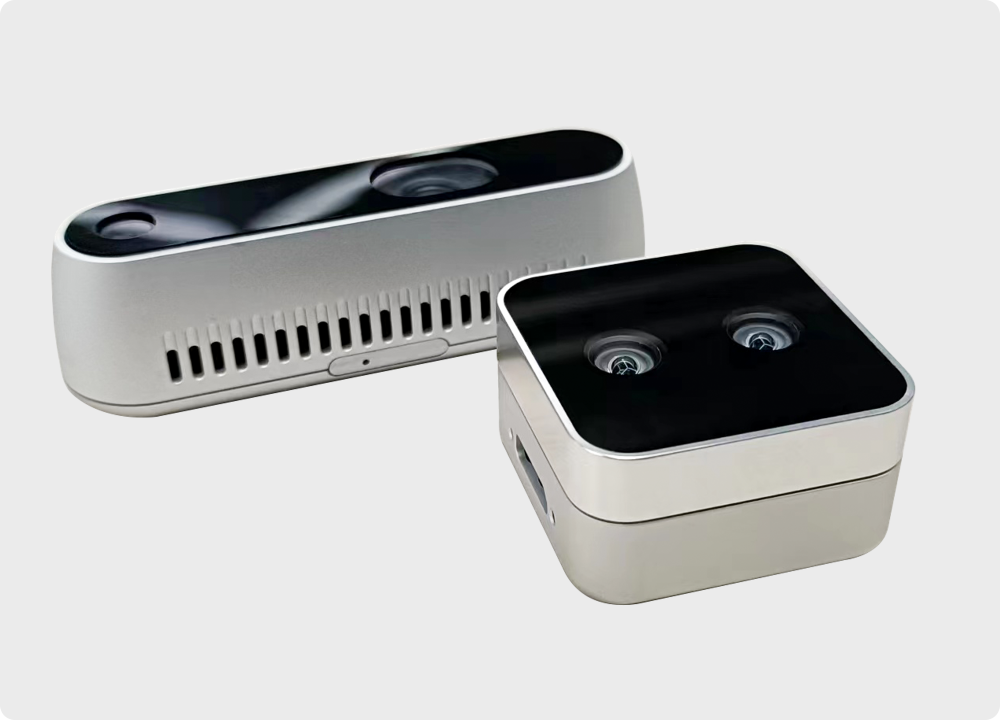
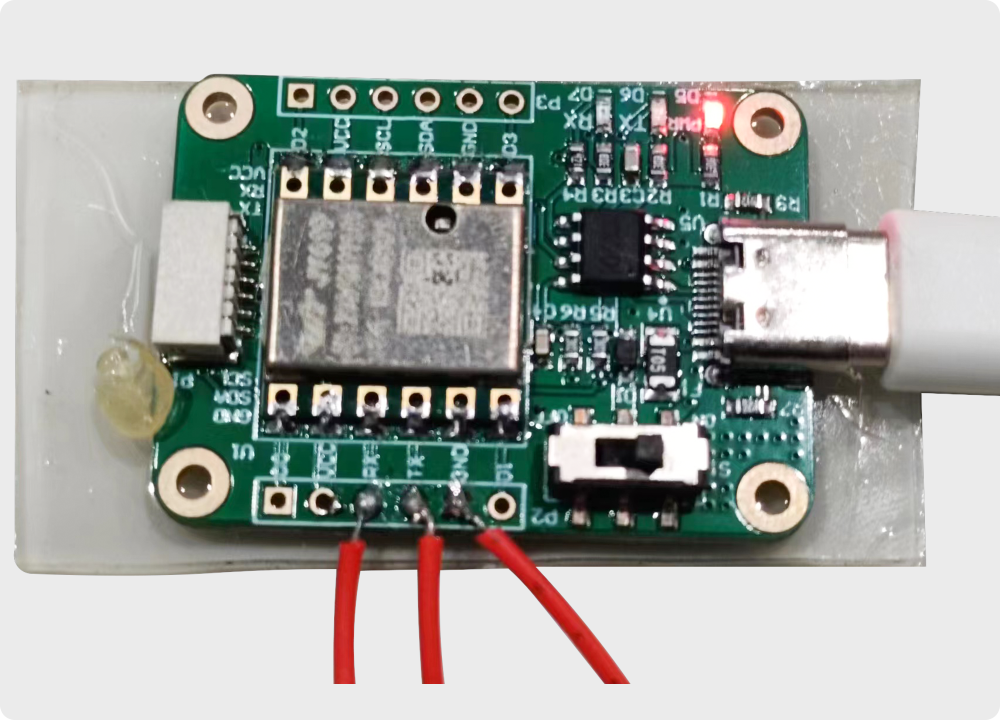
Our experienced Hardware Development team is responsible for designing a diverse array of devices and systems that serve as the robust foundation for our AI algorithms. Our in-house development encompasses planning, performance evaluation, schematic design, protection design, adherence to industrial standards, circuit design, PCB layout, engineering prototypes, and New Product Introduction, culminating in the Mass Production phase. Our designs are crafted to comply with EMC, EMI, and environmental standards as stipulated by ISO and EN, or tailored to meet the specific requirements of car maker OEM fittings.
The multi-core System on Chip (SoC) serves as the brain of the Vispect system, with some models boasting more than one SoC to accelerate AI computations. To date, we have utilized SoCs from manufacturers such as ADT, Qualcomm, MTK, RK, and others. Microcontroller Units (MCU) are employed as the control core of our systems. We have incorporated MCUs from ST, NXP, Atmel , Microchip, and other manufacturers by far.

24
25

SOFTWARE ENGINEERING​

A team of approximately 20 experienced engineers comprises the Vispect software team. Their in-house responsibilities include analyzing and planning, firmware development, algorithm development, software development, software testing, road testing, and verification testing. Most Vispect SoCs utilize Android and Linux as their operating systems. The software development process strictly adheres to the V-Model methodology. White-box software testing is conducted on key or safety-critical modules, while black-box testing is applied to other modules. For high-level safety systems, the team follows the Safety Integrity Level 2 (SIL2) standard.

24
25

Sensor Fusion

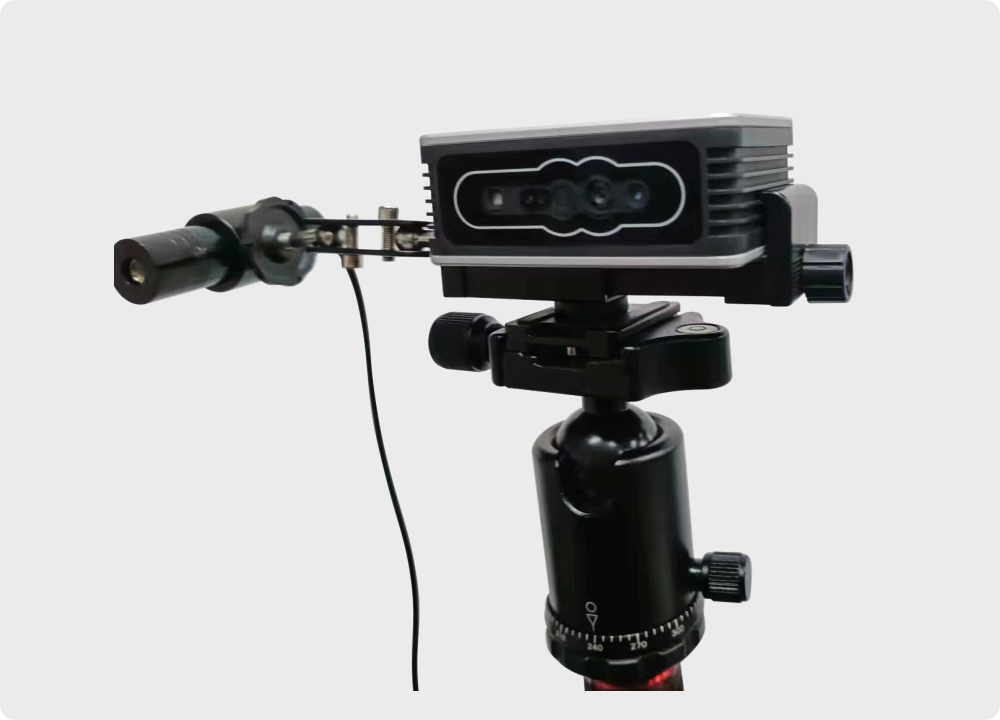
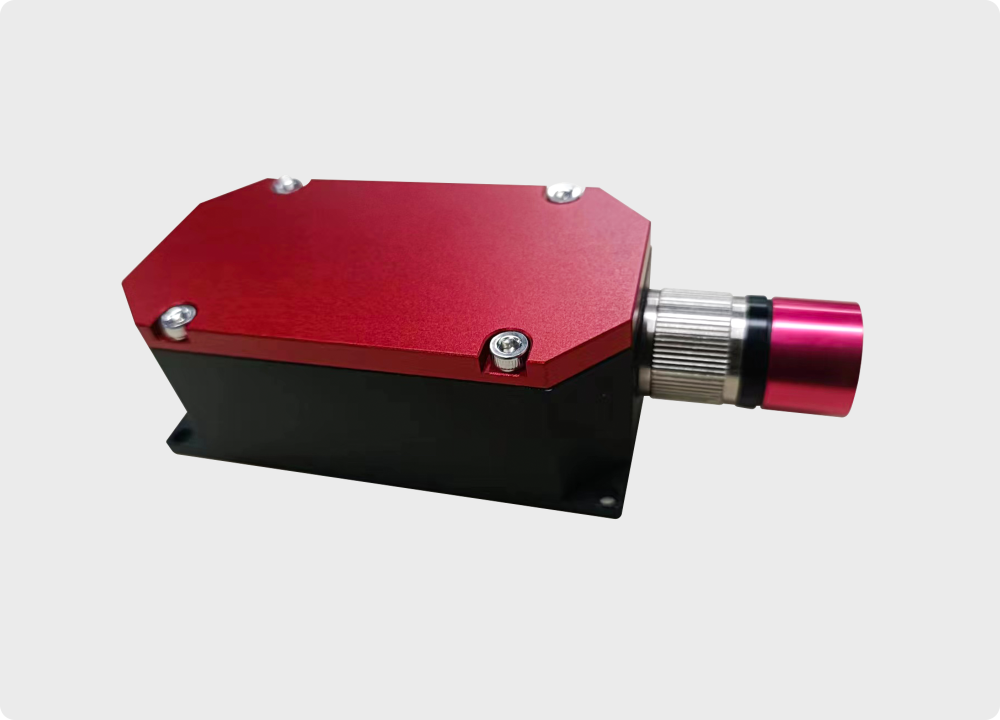
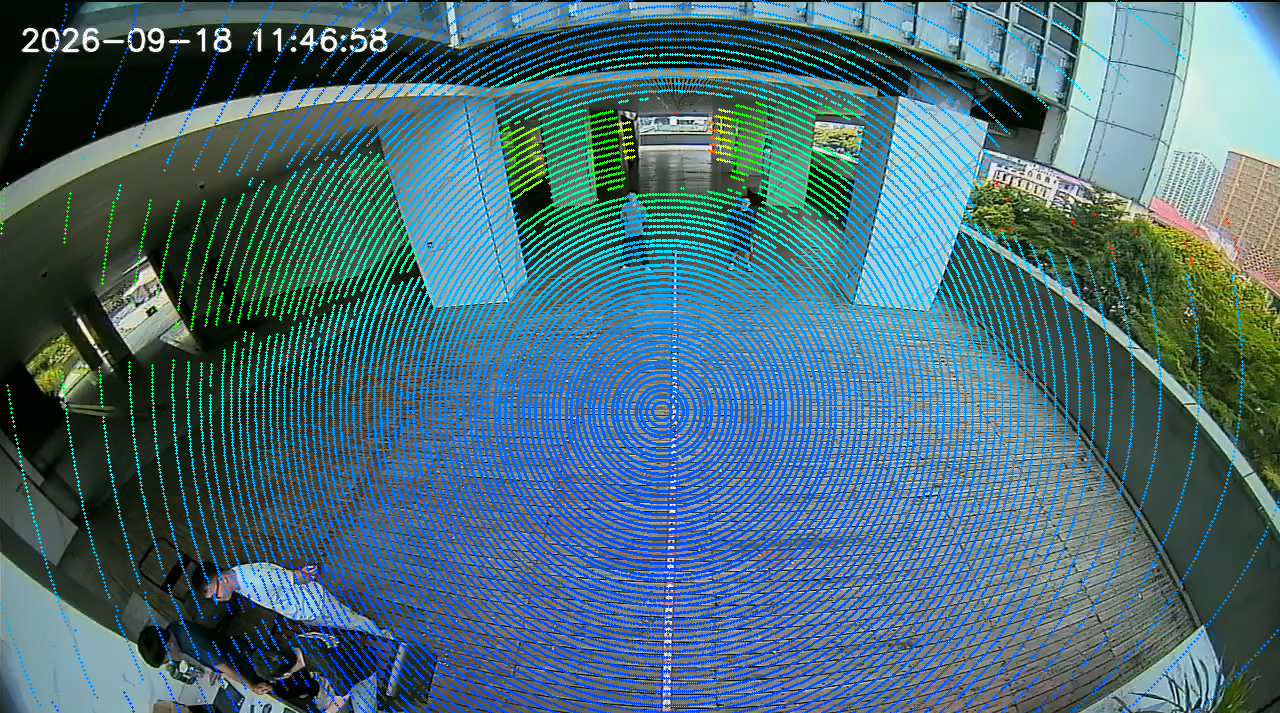
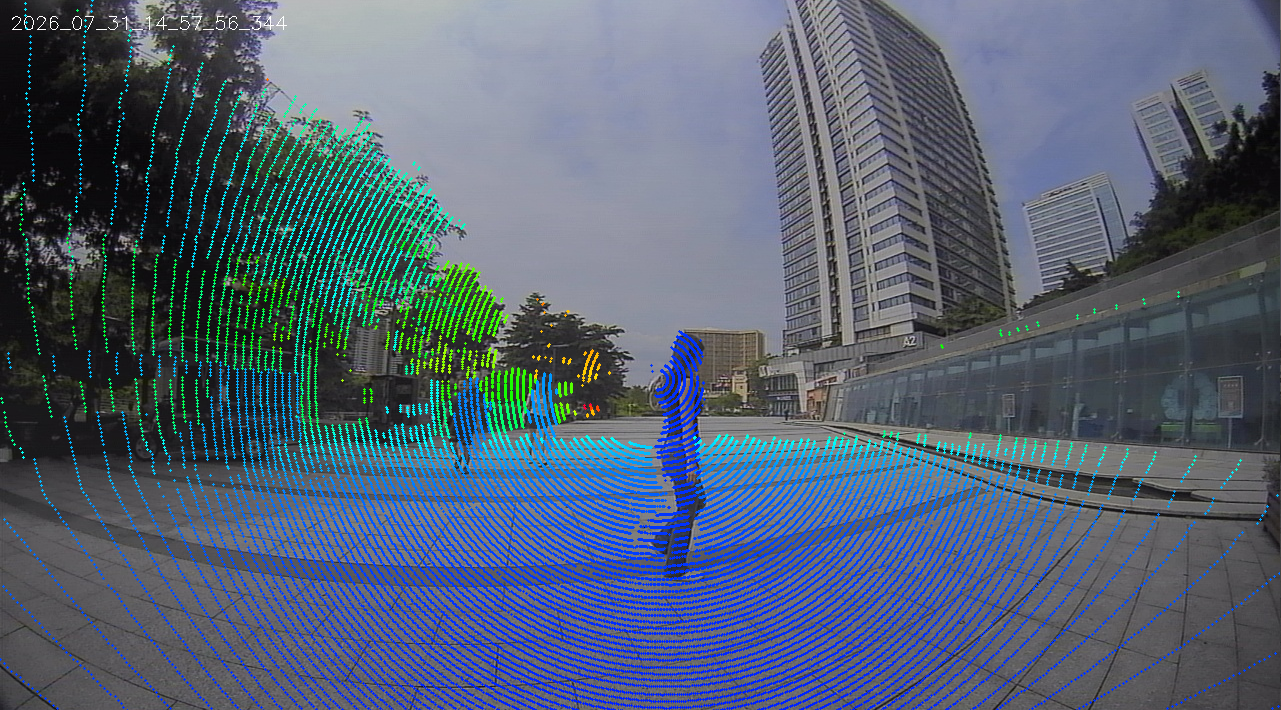
We are committed to the continuous integration of multiple sensor modalities to deliver detection and control solutions with enhanced reliability and precision. Camera and LiDAR data are fused at Pixel-Level to enable more reliable obstacle classification, detection, and edge delineation. RTK and IMU are used for positioning and attitude estimation, while 3D cameras provide precise measurement of fine distances.

Combined with steering angle and speed information from the vehicle CAN bus, these advanced technologies allow us to realize reliable Obstacle Detection and real-time Driving Corridor calculation, thereby supporting both Automatic Emergency Braking (AEB) and Low-Speed Autonomous Driving functions across various vehicle types and industrial machinery.

The integration of multiple sensor modalities has significantly strengthened our technical capabilities, allowing us to achieve Automated Driving Systems for robots, high-precision control of manipulator arms, and more intelligent motion coordination.

24
25
24
25

AUTOMATIC CONTROL

Vispect systems feature interfaces that enable seamless information exchange, active interaction, and effective control over vehicles and machinery — making it possible to deploy a wide range of customized functions.
For example, when a forklift moves toward a worker, the system can activate braking. It can also bring an excavator or articulated dump truck to a stop if a pedestrian is detected too close, or prevent a Brake Press from operating while the operator's hand is still in a hazardous position.


COMMUNICATION​

To facilitate information exchange with other systems, Vispect systems generally offer a variety of interfaces, including CAN, RS-485, RS-232, Ethernet, T1, USB, video output, GPIO for transmitting and receiving ON/OFF signals, and 4G wireless connectivity to cloud-based data centers.
Interfaces are typically developed to meet OEM requirements. Most vehicles and machines utilize CAN interfaces. However, in some instances, to enhance safety, combined interfaces are employed. For example, an Automatic Train Protection system uses two Ethernet interfaces to exchange data with a Vispect system, serving as a mutual backup solution. Another example is an OEM forklift that uses one high/low voltage wire and a CAN interface to interact with a Vispect unit.

24
25

OTA & REMOTE OPERATION

Some Vispect models support Over-The-Air upgrading. Software of the SOCs in a Vispect Host can be updated without people going to the site. The Host also supports remote setting and remote maintenance. This means you don't need to go to the vehicle to modify the running parameters of a Vispect device, instead, you just need to log in your on-line account to input the new values. For European applications, R156 regulation must be met for remote upgrading and setting.

24
25

DATA SECURITY

In some cases, photos and video footage are to be stored in Vispect systems, or even to be sent to cloud-based data centers through 4G wireless. For European applications, these photos and videos are protected according to the R155 regulation and GDPR norms. The users have the rights to decide whether to encrypt these photos and videos or not.

24
25